Concept dictionary
Indemnification
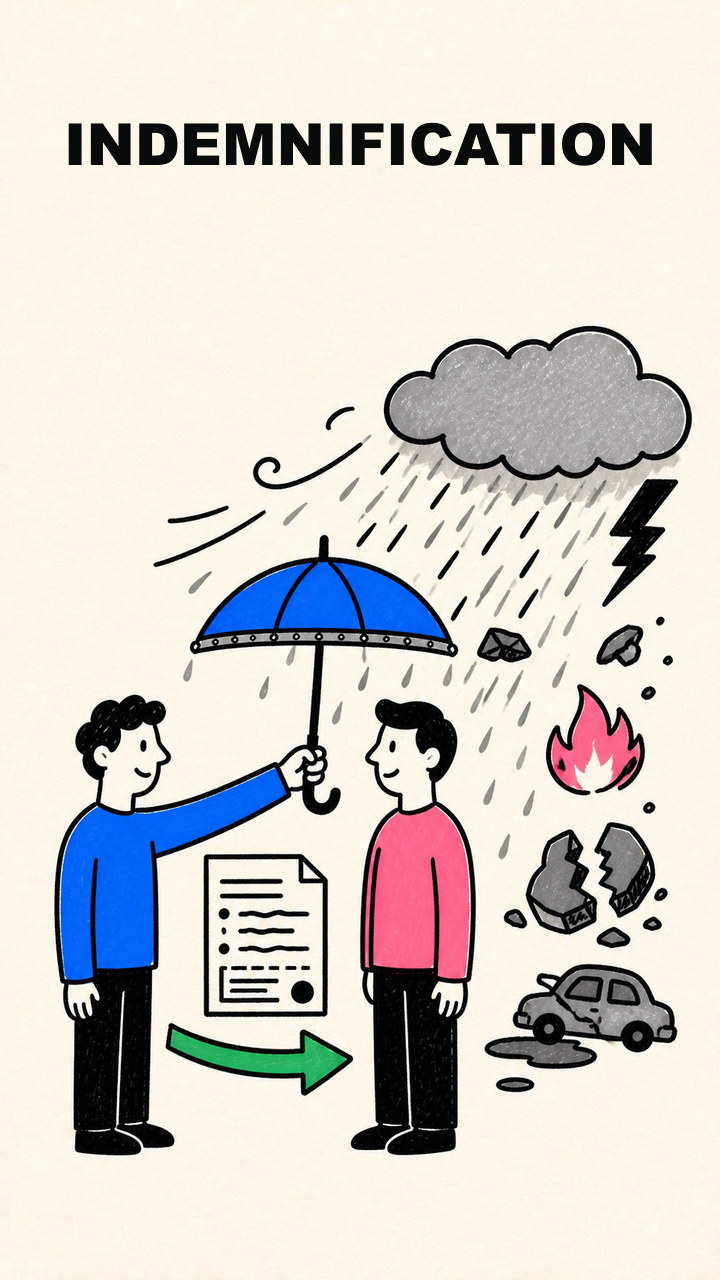
Indemnification is a contractual arrangement under which one party agrees, within defined conditions and limits, to cover specified losses, claims, liabilities, or defense costs incurred by another party.
- Review state
- Needs review
- Freshness
- Current
- Version
- 2
Also called
- Indemnification
- IP Indemnity
- Intellectual Property Indemnity
Remember it this wayRead who covers which claim, under which conditions and limits.
In plain language
In an AI contract, indemnity language may address intellectual-property claims or other risks. The protection depends on definitions, exclusions, procedures, caps, required conduct, and the vendor's ability to perform.
Why it matters
Marketing statements about protection can hide narrow contract terms. Organizations need qualified legal review of what is actually covered and which obligations remain with them.
Example
A vendor agrees to defend certain copyright claims arising from authorized use of its service, subject to notice, cooperation, exclusions, and liability limits.
Common misconception
Indemnification does not make an activity legally safe or transfer every risk to the vendor. Coverage is only what the executed contract provides.
Related terms
Sources
- Cornell Legal Information Institute, Wex: Indemnityplain legal reference on agreements to compensate another party for specified losses or damage.
- U.S. Federal Acquisition Regulation 52.232-39, Unenforceability of Unauthorized Obligationsofficial example showing that indemnification obligations depend on authority and the executed contract.
Learn more
- Examine indemnity during [[due-diligence|Due Diligence]] alongside the underlying [[copyright-ip-infringement-risk|Copyright and IP Infringement Risk]].