Article Detail
Knowledge Resilience
Why Documentation Needs Expiration Dates

TL;DR (Starter Mode)
Documents don’t last forever. And this isn’t just a lesson for executives. At the department level—where most of the daily work gets done—it’s critical to understand that every document should carry three key attributes:
- Effective date – when it becomes valid and trustworthy.
- Renewal date – when it must be checked against current reality.
- Expiration date – when it must be retired and marked as historical, no longer guiding present-day decisions.
AI can help departmental leaders and teams keep living docs alive and retire the fossils. Without this discipline, we risk making today’s decisions with yesterday’s truths, leaving staff and managers alike exposed as AI adoption accelerates across the enterprise.
---
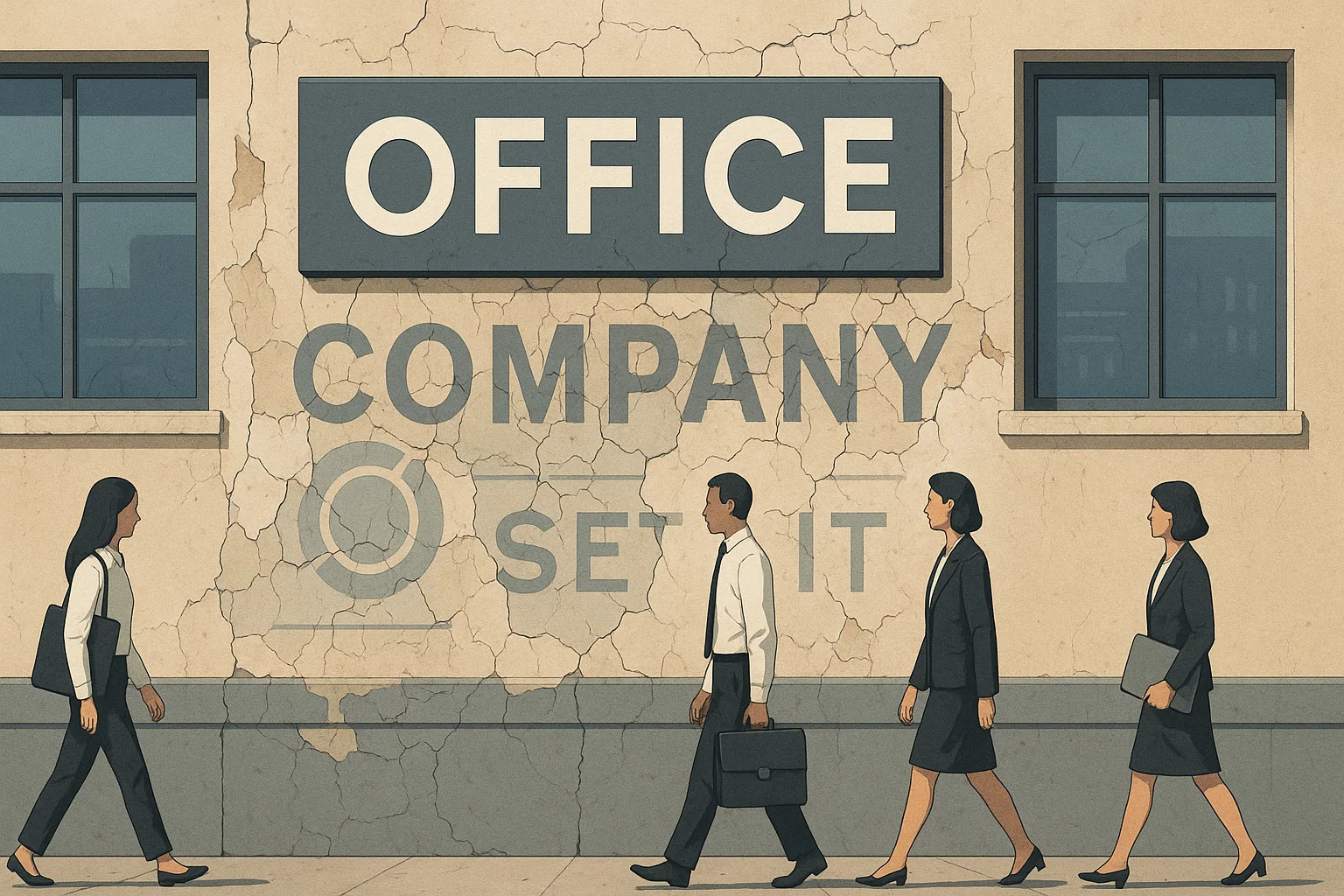
Everyday Cracks – Level 1: The Immediate and Obvious
Hook: Everyone has tripped over outdated docs. They’re small failures that quietly accumulate into organizational drag. What seems like a trivial oversight—an old address, a stale chart—can propagate misinformation across teams and customers.
Use Cases:
- Company Reorg: A team restructures, but the intranet still shows the old reporting lines. Employees waste time figuring out who owns what, projects stall, and accountability blurs. Every reorg without doc renewal multiplies confusion.
- Rebranding: Old logos or taglines sneak into decks, proposals, or customer-facing material. The inconsistency erodes trust—clients wonder if the company is disorganized or stuck in the past. Brand equity quietly decays.
- Location Moves: Headquarters relocates, yet contracts, invoices, and vendor databases keep listing the old address. Deliveries are missed, compliance issues arise, and auditors find discrepancies. What seems trivial has legal and financial consequences.
---
Everyday Cracks – Level 2: Internal Systems & Processes
Hook: Internal documentation is supposed to be our compass. But if that compass is magnetized by the past, it will quietly steer us off course.
Use Cases:
- Safety Protocols: Outdated lab safety steps or fire drill procedures linger in manuals. Employees follow them in good faith—only to discover in a crisis that the steps are incomplete or dangerous.
- Technology Shifts: An IT policy still mandates “VPN required,” even though the organization migrated to Zero Trust years ago. Employees who follow the doc create unnecessary bottlenecks or even introduce vulnerabilities.
- Process Drift: HR onboarding docs reference paper forms long since replaced by automated systems. New hires follow obsolete instructions, get frustrated, and lose confidence in the company from day one.
---
Everyday Cracks – Level 3: External Drivers
Hook: No company operates in a vacuum. The bigger danger comes when external shifts make our internal knowledge obsolete. Yesterday’s compliance is today’s liability.
Use Cases:
- Mission Statement Drift: Old values and vision statements keep being quoted, even after leadership has pivoted. Employees follow expired guidance, creating cultural misalignment and wasted energy.
- Global Trends: A sustainability policy from 2015 ignores the realities of 2025. Public stakeholders, investors, and customers see it as greenwashing, not leadership.
- Regulation & Politics: Compliance docs reference GDPR articles or HIPAA rules that have since been amended. Relying on these expired rules exposes the organization to fines, lawsuits, or reputational damage.
---
Expert Mode – The Maturity Roadmap
Stage 1 – Ad Hoc: Documents are created and forgotten. Renewal: none. Expiration: none. Surprise: constant. Organizations here live in firefighting mode—every discovery of outdated docs is reactive.
Stage 2 – Structured: Every doc includes effective, renewal, and expiration dates. Renewal reminders exist, but reviews are manual. Progress is uneven and depends on individual diligence.
Stage 3 – AI-Enabled: AI systems track documentation age, surface high-priority items for renewal, and flag potential drift. They spot mismatches between docs and reality—for example, flagging a procedure that references outdated software. Human reviewers remain in control but no longer drown in the noise.
Stage 4 – Integrated: Renewal cycles are embedded into enterprise workflows. When a system changes (e.g., software upgraded, compliance rule amended), linked docs are flagged automatically. Expired docs flip state in repositories, becoming historical but no longer active. Metrics emerge: % of live docs validated, average time-to-renew, etc.
Stage 5 – Optimized: AI doesn’t just flag; it anticipates. It tracks external changes—regulations, market language, tech standards—and suggests revisions proactively. Drafts are pre-filled. Reviewers validate and approve. Knowledge resilience is continuous, not episodic.
---
Closing / Call to Action
Knowledge resilience is as critical as cyber resilience or operational resilience. Without it, we risk running our organizations on expired truths.
This isn’t an overwhelming shift. It’s a maturity journey:
- Start simple—add effective, renewal, and expiration dates to your docs.
- Use reminders to create basic renewal cycles.
- Layer in AI to triage, prioritize, and spot drift.
- Integrate cycles into systems, making renewal part of the workflow.
- Move toward proactive optimization, where AI and humans co-curate living knowledge.
Docs are not immortal. The sooner we accept that, the safer, smarter, and more resilient our organizations will become.