Article Detail
From Zero to Hero in Prompting
My prompt-crafting ChatGPT hacks.
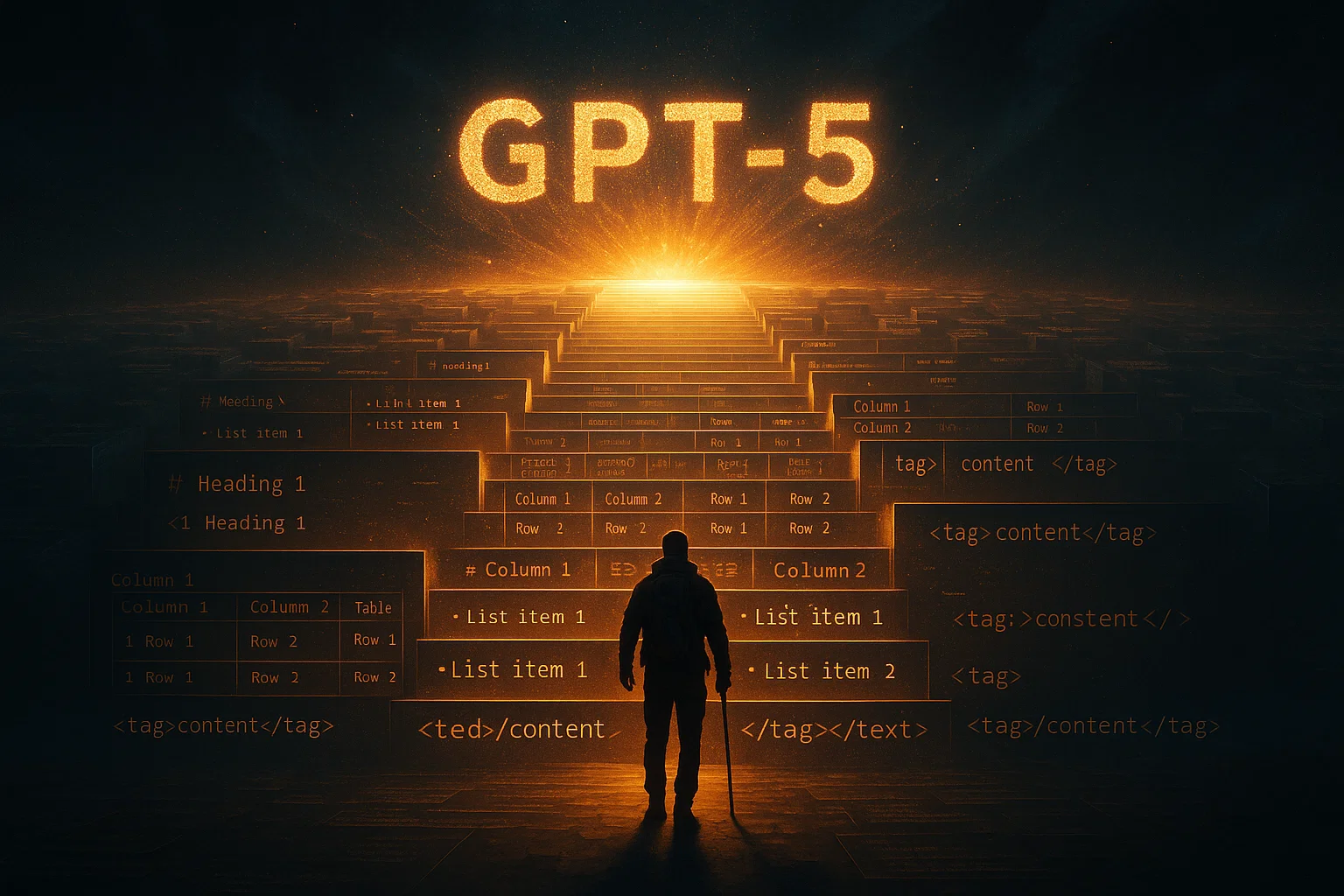
After several months of using ChatGPT and it cousins, I've noticed that effective prompting techniques evolve as the technology advances. Some strategies that worked before are less effective today. Below are the prompt-crafting techniques that have consistently delivered reliable results for me.
Quick Guidance for Everyone
Prompts are just instructions you give an AI. The clearer you are, the better the result. Here’s the fast path:
- Start Simple – Type like you talk. “Tell me about dinosaurs.”
- Add Detail – Ask for specifics. “Summarize five dinosaurs in 200 words, focusing on what made them unique.”
- Shape the Output – Request tables, lists, or bullet points. “Make a table with columns for name, diet, and a fun fact.”
- Use Roles – Tell the AI who to be. “You are a paleontologist explaining to a 10‑year‑old.”
- Guide the Steps – Break down your ask. “First list five, then expand each into a paragraph, then make a scavenger hunt.”
- Leverage Structure – Use markdown or XML for consistent results. “Output each entry in JSON with fields: name, era, diet, funFact.” (Details and deeper examples are below if you want the deep dive.)
- Refine – Ask the AI to critique or improve its own answer. “Draft, then critique yourself for clarity and accuracy.”
- Optimize – Use tools like the Prompt Optimizer (GPT‑5) to sharpen prompts automatically. Jump to details
That’s enough to level you up from beginner to confident prompter. For the curious, let’s dive deeper.
---
The Details for Those Who Want Them
1. Zero: The Blank Page
Natural language works, but it’s vague. “Tell me about dinosaurs.” You’ll get something—but not necessarily what you want.
2. Basic Prompts: Be Specific
Add instructions, word counts, or focus areas. “Give me a 200‑word summary of the five most interesting dinosaurs, focusing on uniqueness.”
3. Structured Prompts: Shape the Output
Tables, bullet lists, or multi‑column formats make results useful. “Create a markdown table with columns for Name, Size, Diet, and Fun Fact.”
4. Structured Prompting with Markdown or XML
For official guides, see Markdown Tutorial and W3C XML Tutorial.
Form matters. Use schemas to enforce consistency:
# Dinosaur Profile**Name:** Stegosaurus
**Era:** Late Jurassic
**Diet:** Herbivore
**Fun Fact:** Plates may have been used for thermoregulation.
Or machine‑readable formats:
<Dinosaur>
  <Name>Stegosaurus</Name>
  <Era>Late Jurassic</Era>
  <Diet>Herbivore</Diet>
  <FunFact>Plates may have been used for thermoregulation.</FunFact>
</Dinosaur>
This is promptcraft as data engineering.
5. Roleplay Prompts: Change the Voice
Tell the AI to take on a persona. “You are a paleontologist explaining dinosaurs to a 10‑year‑old.” Context changes tone and clarity.
6. Multi‑step Prompts: Chain Your Goals
Divide big asks into steps. This is early “prompt engineering.” Example: list → expand → gamify.
7. Advanced Techniques: Trigger & Nudge Words
Models respond to verbs like explain, analyze, summarize, simulate, roleplay. These trigger different reasoning modes. “Analyze Caesar’s leadership style as if you were his political rival.”
8. Meta‑Prompts: Teaching the AI to Teach You
Ask the AI to reflect. “Draft an answer, critique it for clarity, then provide a revised version.” That’s iterative refinement.
9. Hero Level: Prompt Optimizer & Toolchains
Prompt Optimizer (new in GPT‑5) rewrites your rough prompts for balance and clarity. Combine multiple AIs for generation, fact‑checking, formatting. At this stage, you’re designing systems of thought, not just prompts.
10. Beyond Hero: Style, Guardrails, and Creativity
- Style: Consistency in tone, format, and length.
- Guardrails: Tell the AI what not to do. “Do not add extra disclaimers.”
- Creativity: Push edges. “Invent a myth about dinosaurs in Borges’ style, then critique it as an archaeologist.”
---
Closing Thought
Prompting isn’t magic—it’s a literacy. Start with clarity, layer on structure, then refine and optimize. The tools are here; mastery is just practice away.