Article Detail
Fences and Pathways
What Chatbots Teach Us About Human Intuition in Marketing
I found myself facing a decision that could go either way, wondering if an article I was writing might be a good—or a very bad—post to publish on September 11. Out of caution, I asked my chatbot for advice.
The answer came back immediately: it weighed the pros and cons of both approaches and gave me a binary choice—yes, do it / no, don’t. It did not suggest an alternative, because large language models are designed to keep within the bounds of the question asked rather than introduce new directions on their own. Safe, logical, and straightforward.
But it didn’t feel like enough.
I proposed another option: not on the 11th itself, but in the reflective days that follow. That sideways move—the shift in timing, tone, and cultural resonance—wasn’t in the chatbot’s framing. It was mine. But the chatbot agreed and said it was a much better option. That moment taught me something important: this is exactly how marketing teams will use AI. The first answer may not be the best answer.
---
Fences: What Chatbots Offer
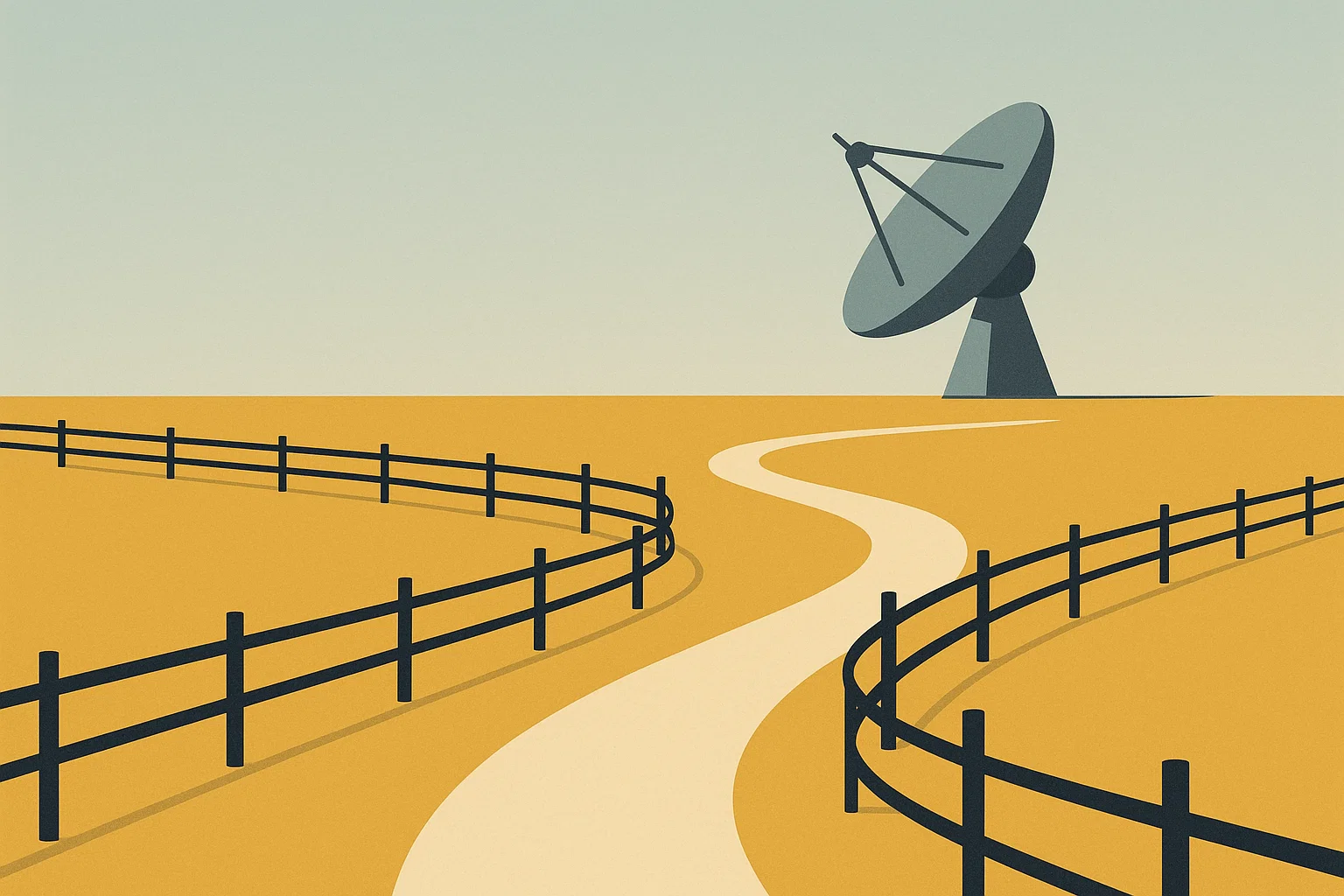
Chatbots are excellent at spotting danger zones. They’ll raise the red flags, point out cultural sensitivities, and warn you when history or timing could backfire. Think of these as fences. Fences keep you out of obvious trouble.
That’s valuable. Every marketing team needs guardrails.
---
Pathways: What Humans Bring
But strategy doesn’t live inside the fences. It lives in the pathways that cut through them. Humans make the sideways moves—publishing not on the day of grief itself, but in the quiet reflections that follow. Choosing a moment when people are open to meaning instead of overwhelmed by memory.
That’s where human intuition matters: context, timing, resonance. The pieces no model can fully substitute.
---
Radar: What Chatbots Echo
To stop here and say “AI cannot feel” misses the point. What a chatbot does is closer to radar. It doesn’t mourn. It doesn’t celebrate. But it pings cultural signals, anticipates patterns, and helps us sense the shoreline, the storm, or the unseen obstacle ahead. This connects back to the fences and pathways: radar extends the fence line and reveals possible openings where pathways might exist.
Radar never “feels” the storm. But it helps the sailor feel their way around it.
In the same way, chatbots echo the pulse of our shared language. They don’t carry emotion in a human way, but they can still help us navigate it.
---
The Lesson for Marketing
If you expect AI to hand you the perfect answer every time, you’ll be disappointed. Conversation itself doesn’t work that way. The value of a chatbot is in the fences it raises and the radar it provides. The value of humans is in finding the pathways that matter.
Put the two together, and you don’t just avoid mistakes—you create resonance.
---
Prompting Ideas for Sensitive Moments
When working around cultural or emotionally charged events, it helps to guide your chatbot with prompts that go beyond yes/no decisions. A few examples:
- Ask about timing. Instead of just “should we publish,” try: “What are thoughtful timing options given this event?”
- Request alternatives. Prompt with: “Give me two or three different approaches, not just pros and cons.”
- Surface resonance windows. Ask: “When might reflection or community engagement feel most appropriate after this event?”
- Consider geography explicitly. Prompt with: “How might reactions differ across regions or cultures?”
These nudges don’t replace human judgment, but they make the fences clearer and the radar stronger—leaving more room for humans to find the best pathways.
---
AI can mark the fences and echo the radar, but it still takes human intuition to find the pathways worth walking.