Article Detail
Showing Up in the Middle
Lessons from Gomer Pyle, USMC
The algorithm reminded me that showing up matters. It fed me a late-1960s episode of Gomer Pyle, USMC where Gomer teaches a bully that violence isn’t the only answer.
Gomer’s first instinct isn’t to swing—it’s to talk. To engage. To believe dialogue has a chance, even in a Marine barracks.
---
When Television Tried to Make Us Better
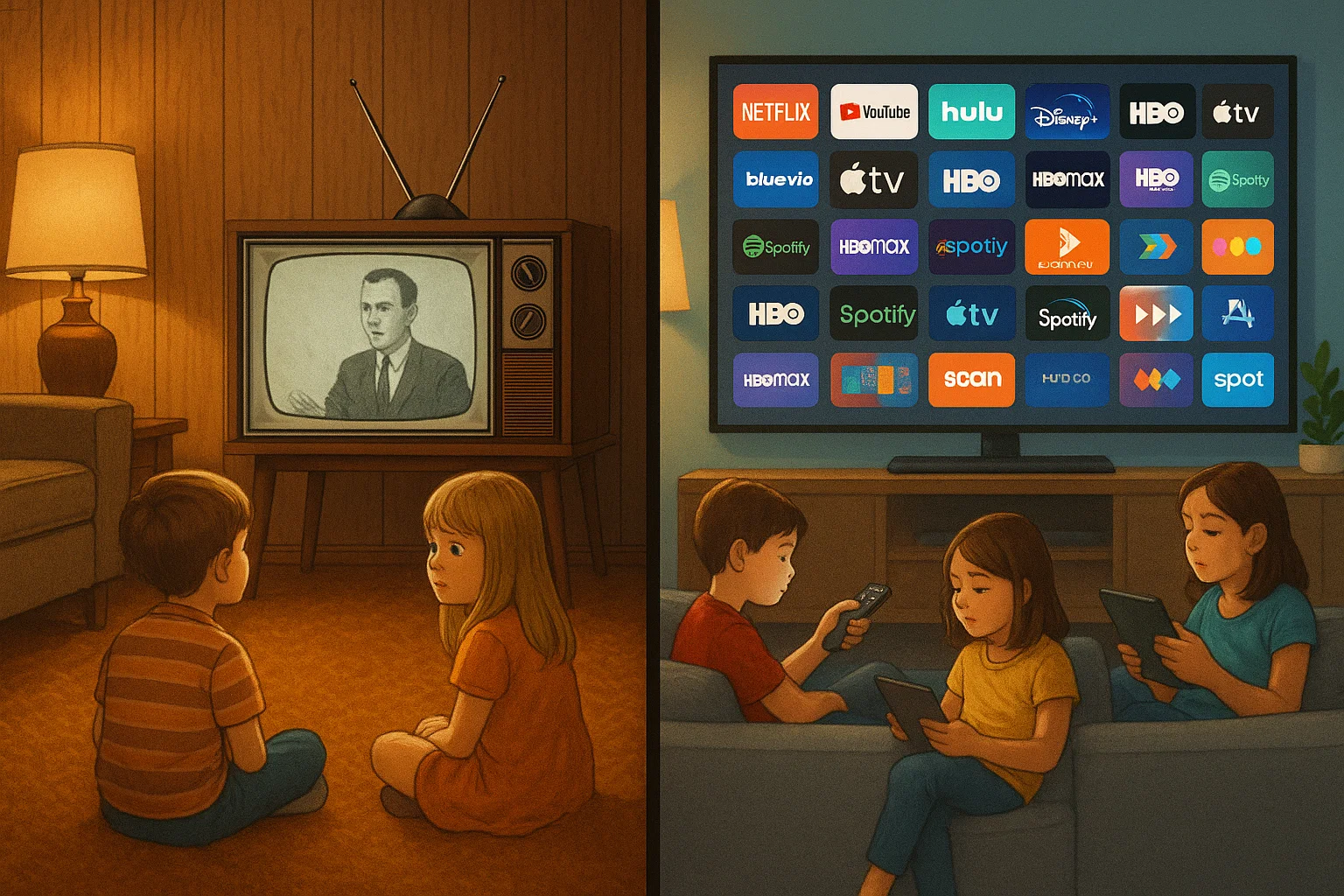
Back then, television often tried—at least on its better days—to teach us how to live. Whether it was Andy Taylor in The Andy Griffith Show or Gomer Pyle fumbling through Marine life, nearly every episode carried a lesson worth learning.
Teamwork. Pride in accomplishment. Winning isn’t everything. Empathy matters. Sometimes we pay things forward rather than paying them back. Our word is our word. Everyone makes mistakes.
For better or worse, parents often let after-school television teach us these lessons. And it worked: kids absorbed stories about kindness, fairness, and the importance of showing up.
---
Today’s Content Economy
Today, shows like Ted Lasso still exist—refreshing, hopeful, built around empathy. But they’re rare. Much of our content now chases clicks. Outrage gets clicks. Extremes get amplified. The middle—where most of us actually live—too often gets drowned out.
That’s why it felt so timely that the algorithm served me Gomer Pyle. It was a reminder: you don’t have to swing, you can speak. You don’t have to give up, you can show up.
---
The Call to Action
Uncle Ben told Peter Parker: With great power comes great responsibility. That line has become more than comic book lore—it’s a family lesson woven into our culture. It reminds us what it means to be human, especially a human who shows up.
So here’s the ask:
- To content creators—especially those drawn to the middle: Keep producing life lessons for the next generation. Don’t cede the ground to the extremes.
- To the algorithm keepers—you hold enormous power. Use it responsibly. You can surface what educates or inflames, what uplifts or divides. Balance them wisely.
We don’t need to erase the extremes—sometimes they’re entertaining, even enlightening. But we do need more content in the middle. Everything in moderation.
If the good examples stop showing up, the void will be filled—and the extremes will be more than happy to take their place.