Article Detail
Navigating the Dangers of Scalable Vector Graphics
How a Harmless Image Can Hack Your Reality
It started with a click.
Not a shady download. Not a flashing red warning box. Just a single, harmless-looking play button on an image.
Except the click didn’t play anything — it “liked” a video on your behalf.
No preview. No consent. No clue.
If you’ve ever shared a streaming account, you already know what happens next: your recommendations warp. That “you might like” section becomes “you will like,” whether you actually do or not.
Now imagine that happening across your feeds, your ads, your search results — not by accident, but because someone designed it.
That’s not a bug. That’s an attack vector. And the weapon? An SVG file.
What’s an SVG, Really?
Scalable Vector Graphics aren’t like your JPGs or PNGs. They’re made of code, not pixels — a list of instructions telling your browser how to draw shapes, lines, and text.
And because browsers can read it, they can also run it.
Scripts, styles, links, invisible text — all can hide inside an SVG.
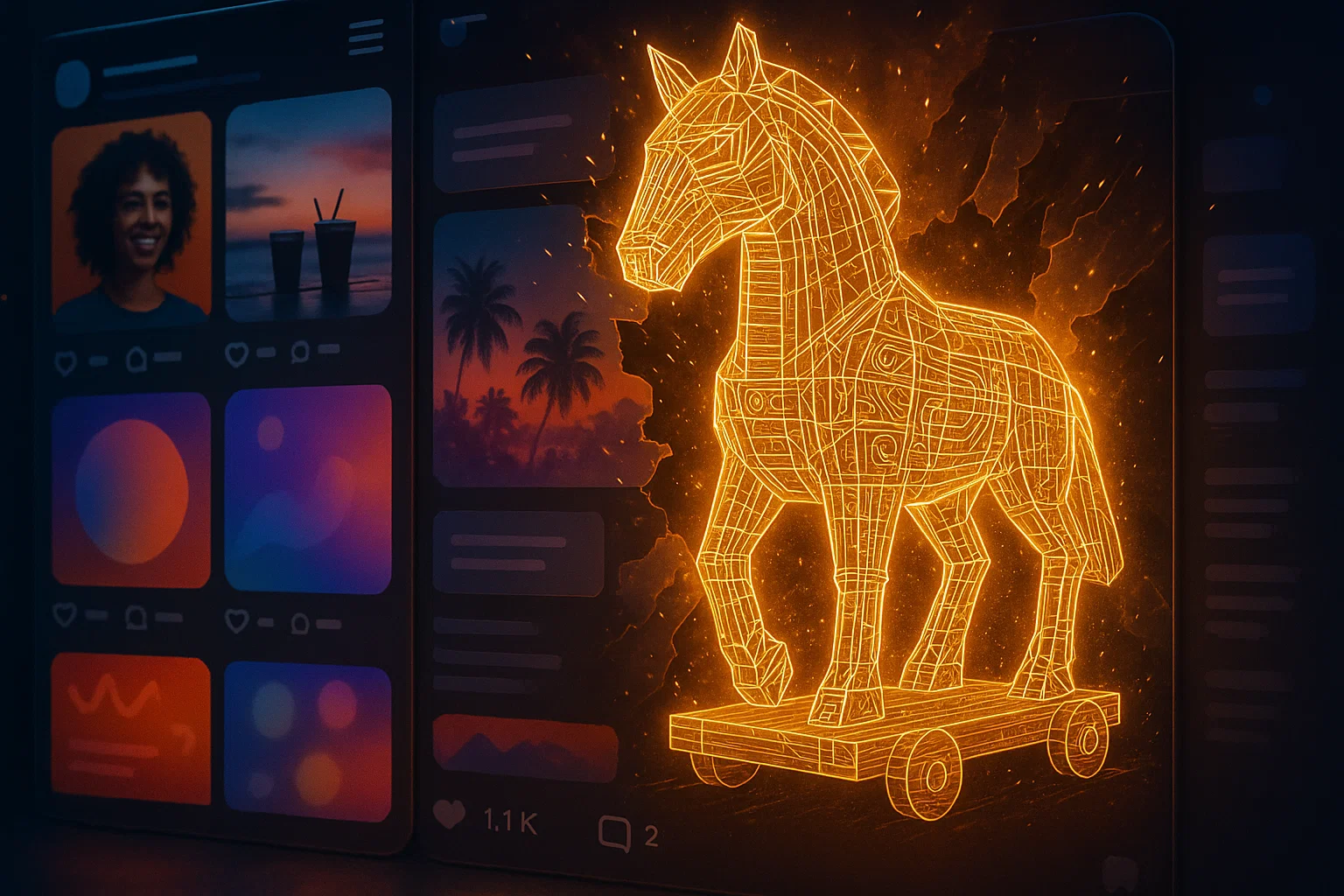
That makes it a perfect Trojan horse for attackers who want to do more than show you a picture.
---
1. Not Just Pretty Pictures
An SVG is code dressed up as art.
If your browser can render it, it can execute it — and execution means potential exploitation.
---
2. The Hidden Payload Problem
It’s what you can’t see that gets you.
Scripts that fire on click. Links that ping shady servers. Invisible text meant for algorithms, not eyes. All hidden in a file you thought was safe.
---
3. Click Hijacking — Algorithm Poisoning in Disguise
One click, and your feed belongs to someone else.
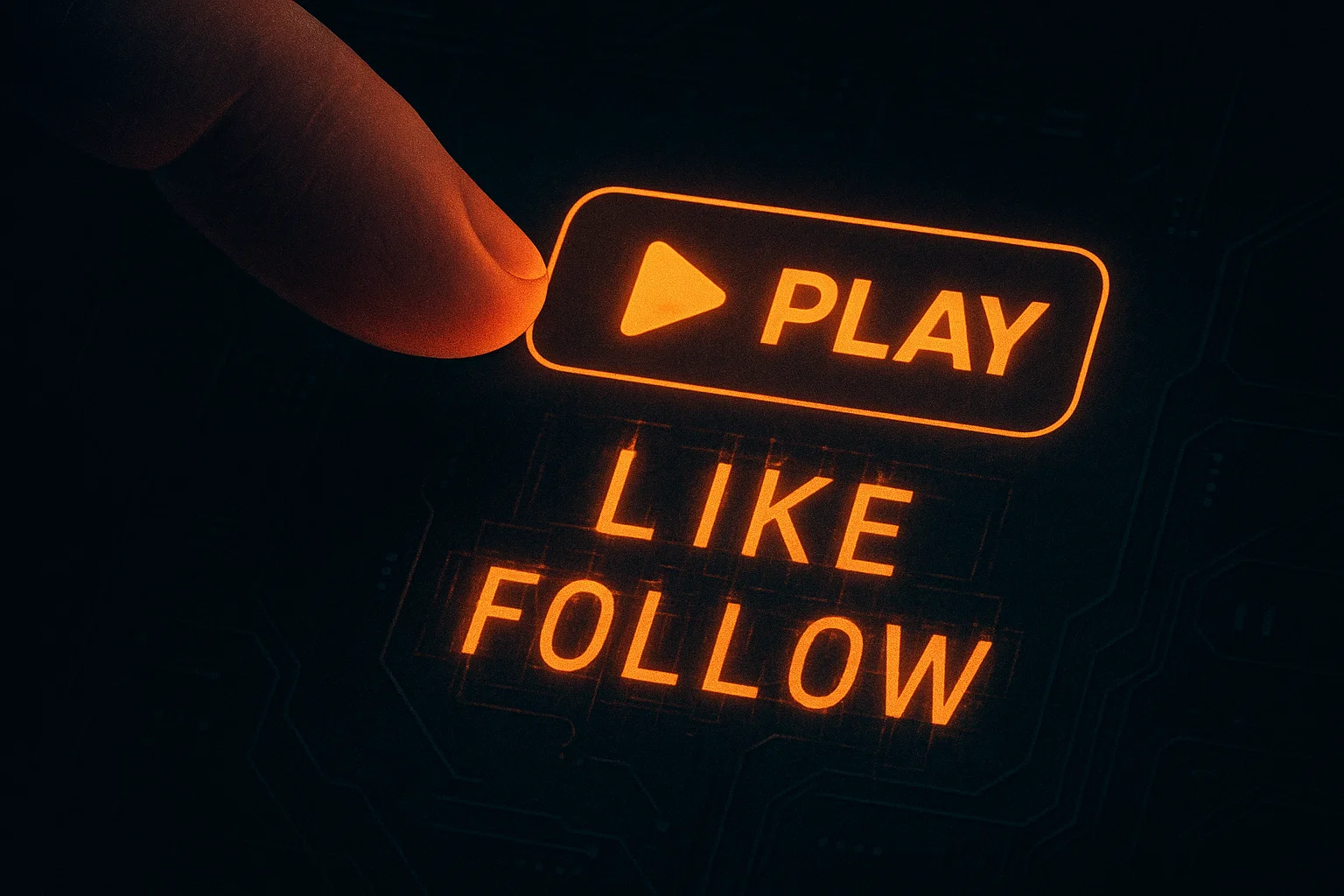
That SVG “play” button? It might really be “like,” “follow,” or “endorse.” And the moment you click, your algorithm shifts — maybe toward spam, maybe toward radical content, maybe toward whatever the attacker wants.
---
4. Cross-Site Trickery — Actions You Never Took
Still logged into your accounts? They’re fair game.
An SVG can tell your browser to change settings, subscribe, or vote — on any site where you’re still signed in. All without your knowledge.
---
5. Stealthy Behavioral Shaping
You thought you were playing a game. You weren’t.
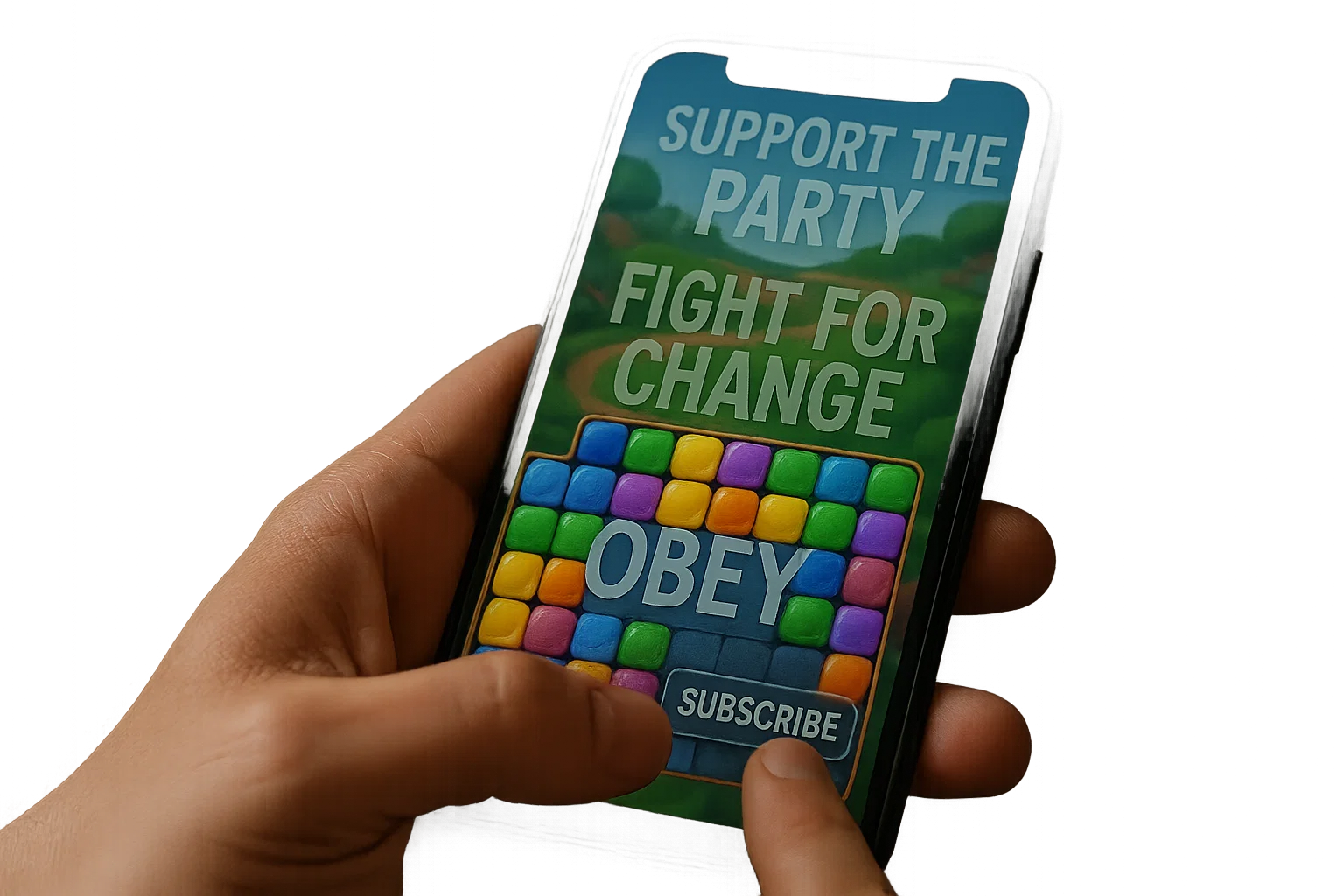
That harmless animation was just a mask. Underneath, your click was being sold to the highest bidder in influence markets.
---
6. Data Well Poisoning — Training the Wrong Lessons
Machines learn from what they see — even lies.
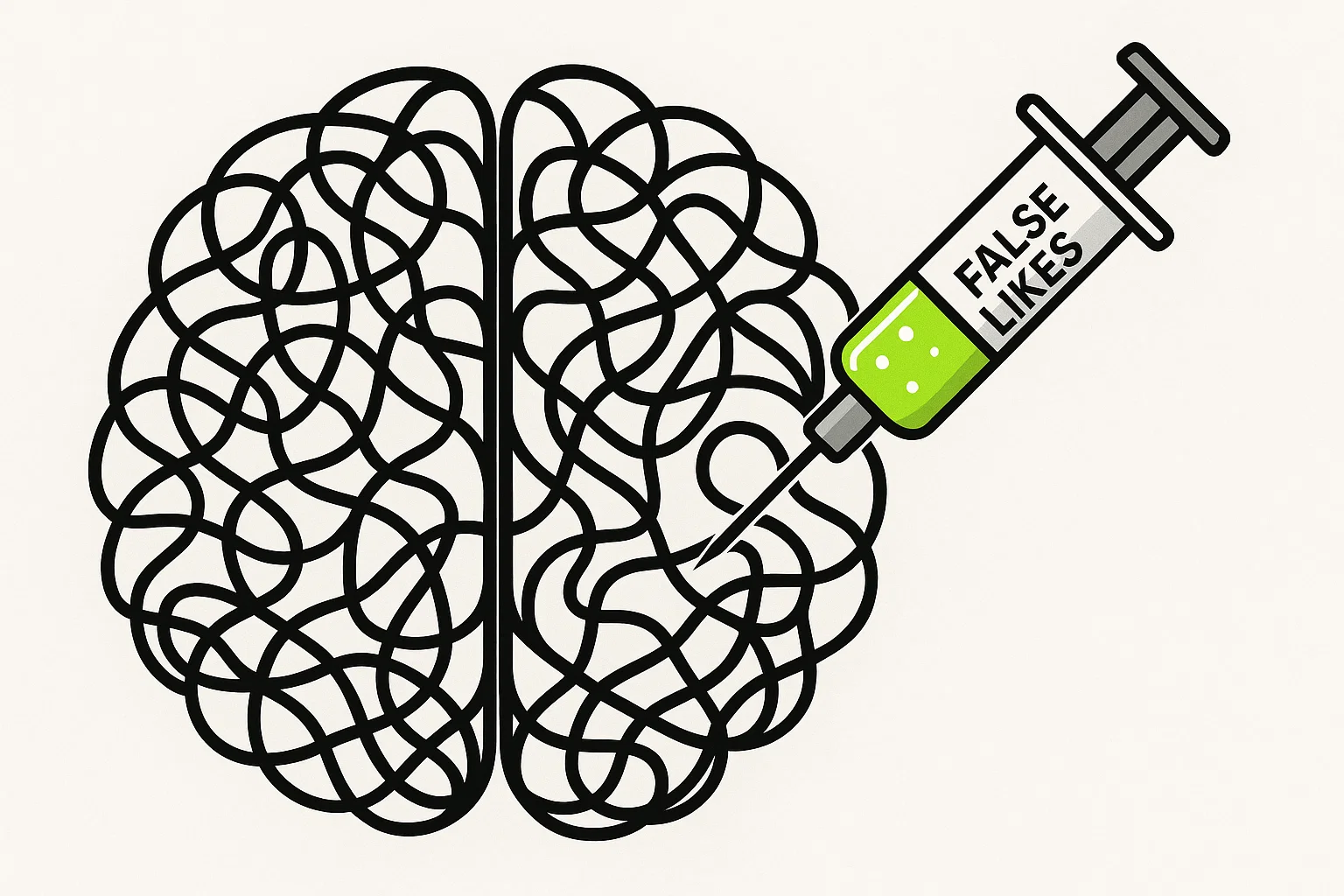
Attackers can hide false facts in an SVG’s metadata. Search engines, AI systems, and recommendation algorithms ingest those lies and start teaching them as truth.
7. Why This Matters Now
Every click shapes your future feed — and your worldview.
Hijack enough clicks, and reality itself starts to bend.
This isn’t just about porn sites or spam farms. It’s about political campaigns, disinformation networks, and anyone who benefits from algorithmic drift.
---
8. Protect Yourself
- Assume SVGs can run code.
- Don’t click “images” from untrusted sources.
- Log out of sensitive accounts before browsing risky pages.
- Use PNG or JPG exports for static images — leave SVGs for trusted, controlled environments.
---
Bottom line:
SVGs aren’t dangerous because they’re broken. They’re dangerous because they’re powerful.
In the right hands, they make the internet beautiful.
In the wrong hands, they can quietly rewire the digital world around you — one click at a time.