Article Detail
Deputizing Citizens Without Safeguards
Lessons From Today, Warnings for Tomorrow
Introduction: Framing the Case Study
In recent days, leaders have encouraged residents to “video everything” in response to federal threats against Chicago. At first glance, this call makes sense: citizens can play a powerful role in bearing witness, protecting their communities, and ensuring accountability. But there’s a catch—without guidance, asking people to pick up their phones in volatile situations risks turning them into untrained deputies on the frontlines.
Civic agency is vital. Reckless deputization is dangerous.
Case Study: The Current Crisis
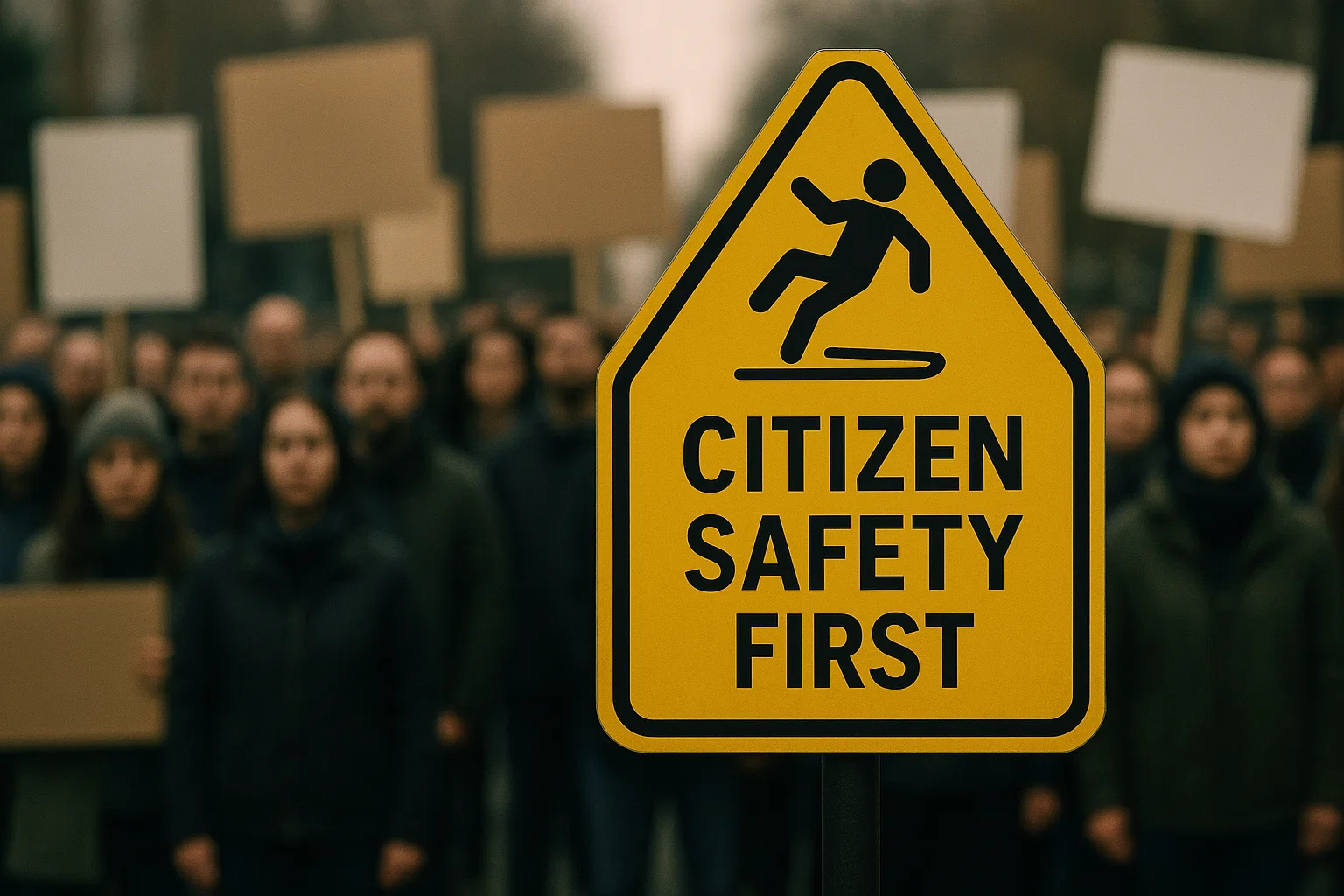
Today’s encouragement for citizens to film echoes a recurring pattern: mobilize the public, but fail to provide even basic harm reduction. No one is reminding people to travel with others, let family know their plans, or put their own safety before footage. The slogan is catchy, but the safety net is missing. It’s like telling someone to walk on a wet floor without putting up a warning sign.
Citizens don’t just need to be inspired—they need to be protected.
Historical Precedent: Abdication of Responsibility
We’ve seen what happens when leaders deputize citizens without accountability. On January 6th, Trump called on citizens to exercise their rights, but then pointed them in a dangerous direction and abdicated responsibility for the consequences. The result was chaos and harm. Compare that to leaders like Nelson Mandela, Malcolm X, Martin Luther King Jr., or Abraham Lincoln. None of them abdicated responsibility when they called people into action. They bore the weight of guidance and risk alongside their followers.
The lesson is clear: unleashing citizen energy without responsibility sets a dangerous precedent.
Looking Forward
This current moment is just one case study. Over the next few years, similar crises will almost certainly arise. Leaders may again call on citizens to act—whether to record, to protest, or to defend democracy in other ways. When that happens, we need a new standard: if you deputize citizens, you must also safeguard them.
That means:
- Pairing encouragement with harm-reduction guidance.
- Equipping communities with civic education campaigns.
- Partnering with grassroots organizations that know how to balance action with safety.
Leaders who fail to provide these basics put the very people they claim to empower in greater danger.
Closing Thought
Great leaders don’t just mobilize citizens—they protect them. The precedent of deputizing without safeguards can no longer be ignored. Today’s crisis in Chicago is an eye-opening case study. Tomorrow will be the real test. If our leaders learn from this moment, they can build a future where citizen agency is respected and safety is never sacrificed.